
Tucker and Tate Romper vs Jumpsuit: Which One-Piece Works Best for Your Kid?
One-piece outfits simplify getting dressed, but the terms romper and jumpsuit can blur together quickly. At Tucker and Tate, we design both styles for kids who need comfort and movement through the day — and we know parents often wonder which one actually fits their child’s needs better.
The distinction comes down to inseam length, seasonality, and the activities your kid has planned. A romper stops at the thigh, keeping legs cooler and giving toddlers room to crawl or climb. A jumpsuit runs full-length, covering the legs for cooler weather or dressier occasions. Beyond that simple split, fabric weight, closure style, and how each piece layers with shoes or jackets will decide which earns a permanent spot in the rotation.
Inseam Length and When Each Style Makes Sense
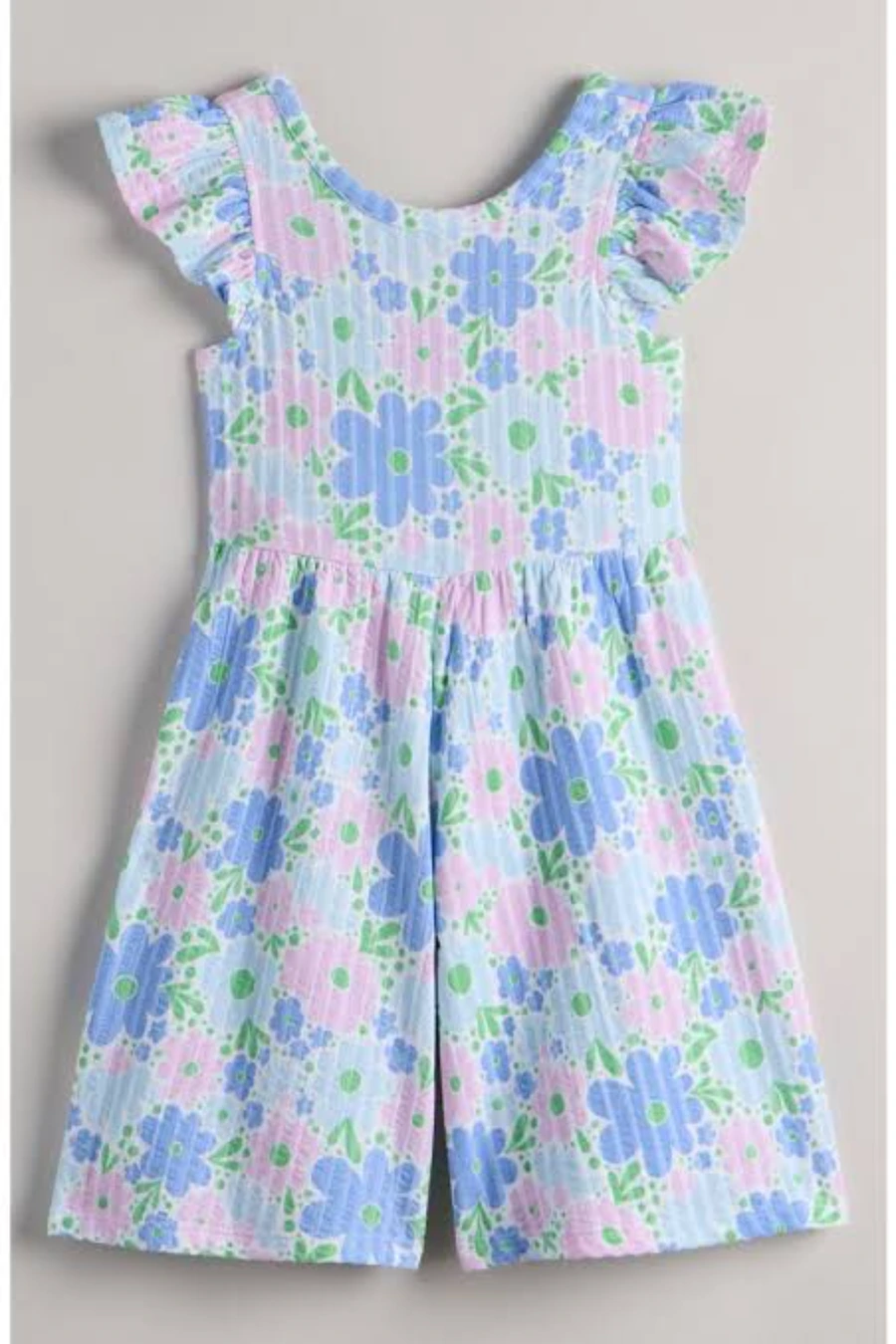
Rompers end above the knee, leaving the lower leg bare. That shorter cut keeps air moving when temperatures climb and prevents fabric from bunching around the knees during active play. Toddlers who spend recess on playground equipment or preschoolers who sit cross-legged during circle time usually move more freely in a romper — no fabric to step on, no extra length to snag on slides.
Jumpsuits extend to the ankle, covering the full leg. The longer silhouette works better when the forecast dips below seventy degrees or when you want a put-together look for family photos. Because the legs stay covered, a jumpsuit also pairs cleanly with sneakers or boots without the need for separate leggings. The Tucker and Tate jumpsuit collection includes lightweight cotton styles for spring and heavier jersey blends that hold warmth through fall.
Seasonality drives most of the decision. If your kid spends May through September outdoors, rompers handle heat and sweat without weighing them down. If you live somewhere with short summers or need an outfit that transitions from air-conditioned classrooms to cool evenings, the full-length coverage of a jumpsuit keeps layering simple.
Fabric Weight and How It Changes the Fit
Both styles appear in a range of fabrics, but weight affects comfort differently depending on the cut. Rompers in lightweight cotton or linen blends dry faster after spills and let toddlers cool down quickly between bursts of activity. Heavier fabrics — French terry or brushed fleece — can feel bulky around the waist and diaper area when the legs are left short, so we keep romper fabrics on the lighter end of the scale.
Jumpsuits handle thicker materials more gracefully because the extra length distributes the weight evenly from shoulder to ankle. A mid-weight jersey jumpsuit sits smoothly over a long-sleeve shirt without the bunching you sometimes see when layering under a romper. The full coverage also means you can choose a lined or fleece-backed version for genuinely cold days, something a romper can never quite deliver.
Stretchy blends with spandex appear in both styles, but they serve slightly different purposes. In a romper, stretch helps the leg openings stay put during cartwheel practice. In a jumpsuit, that same elasticity keeps the ankles from riding up when your child bends, squats, or climbs stairs.
Closures, Diaper Changes, and Potty Training Realities
Snap Placements
Rompers typically feature snap closures along the inseam or around the leg openings, making diaper changes quick without fully undressing the child. Most of our Tucker and Tate romper styles use nickel-free snaps that hold securely through washing but release easily when you need access. The shorter leg opening also means fewer snaps overall — three to five instead of the eight or ten you sometimes find on a full-length piece.
Jumpsuits require either a long zipper or a full series of snaps running from neck to ankle. Zippers speed up the process for older kids who dress themselves, but they complicate quick changes for infants. A snap-front jumpsuit gives caregivers the same flexibility as a romper, though you’ll spend a few extra seconds refastening the lower leg snaps. For children who are potty training, jumpsuits with an easy-open waistband or a two-way zipper let them pull the piece down independently — an advantage rompers can’t match since the torso and legs are connected.
Elastic Waistbands
Some jumpsuit designs include an elastic waistband hidden under a fabric overlay, letting the child step into the piece and pull it up like pants. That feature works particularly well for three- and four-year-olds who resist help getting dressed. Rompers almost never include a true waistband because the shorter inseam doesn’t require the same structure.
Styling Differences and Layering Options
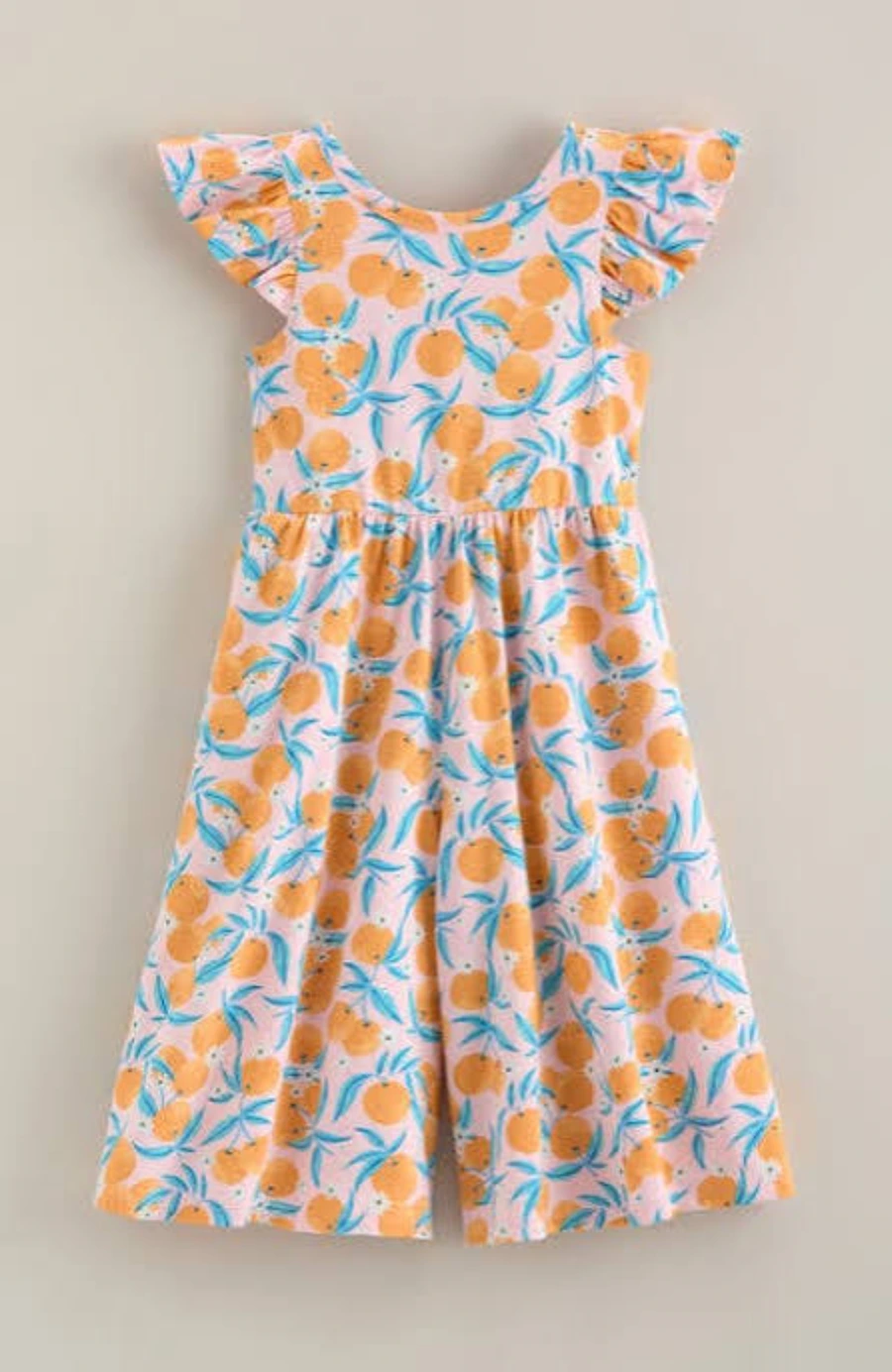
Rompers read as casual by default. Pairing one with sneakers and a sun hat creates a complete warm-weather outfit in seconds, but the bare legs limit how formal the overall look can become. You can layer tights or leggings underneath a romper in cooler months, though that extra step removes some of the convenience that makes one-pieces appealing in the first place.
Jumpsuits offer more styling range. A solid-color cotton jumpsuit works for a backyard barbecue, and a structured linen jumpsuit with a collar can substitute for a dress at a spring wedding. The full-length silhouette also anchors layered looks — add a denim jacket or a lightweight cardigan without worrying about proportions the way you would with shorts or a skirt. If your family rotates between outdoor activities and indoor events on the same day, a jumpsuit transitions more smoothly than a romper.
Shoe pairings shift too. Rompers look balanced with sandals, slip-ons, or barefoot play. Jumpsuits work with the same casual footwear but also pair cleanly with ankle boots or high-tops because the pant hem sits at the right length. The same logic from our earlier comparison of pajamas versus sleepwear structure applies here — a piece that covers more of the body naturally reads as more intentional, even when the fabric and fit remain relaxed.
How Size and Proportion Affect Each Style
Rompers show less tolerance for length errors. If the torso runs too long, the crotch drops below where it should sit, creating an awkward silhouette and restricting movement. If it’s too short, the snaps strain and the leg openings ride up uncomfortably. Most kids fit rompers for a single season before outgrowing the rise, so sizing up to extend wear rarely works the way it does with separates.
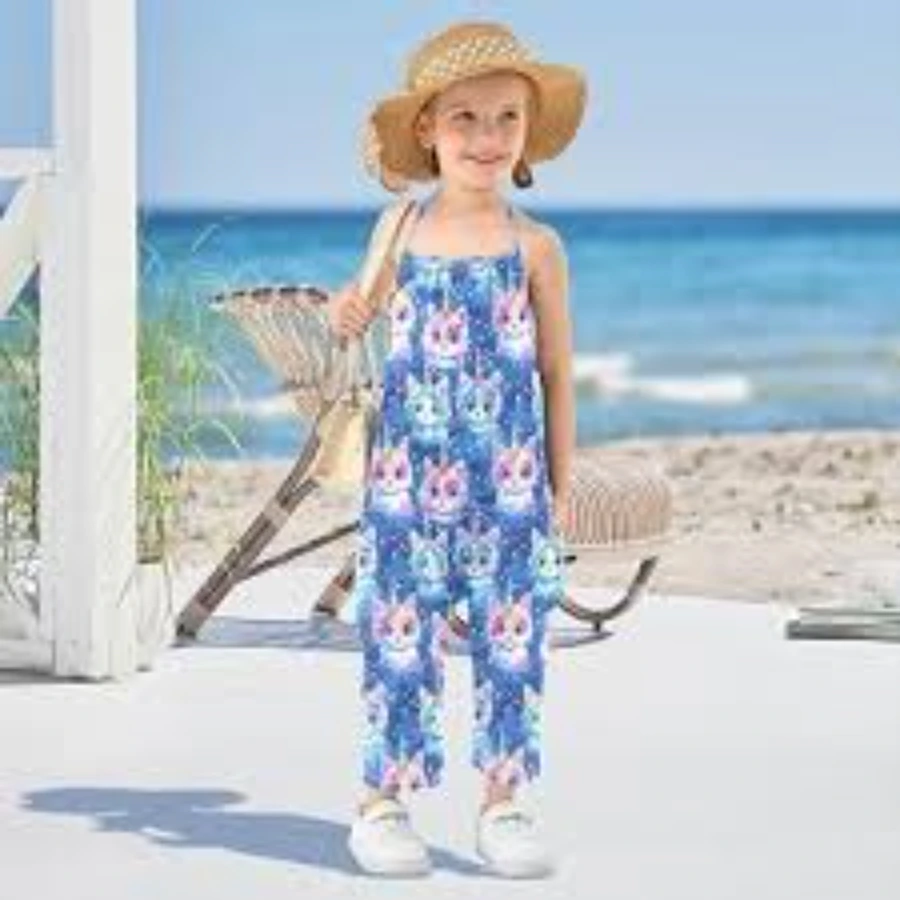
Jumpsuits offer slightly more leeway because you can adjust how the pant leg pools at the ankle. A jumpsuit that’s one size large will have extra fabric at the hem, but the torso and waist can still fit correctly if the shoulder seams land in the right place. Rolling the cuffs once or twice keeps the child from tripping while you wait for a growth spurt to fill out the length. That flexibility makes jumpsuits a better candidate for hand-me-downs or thrift finds where precise sizing is harder to predict.
Proportionally, rompers suit shorter, stockier toddlers who haven’t yet developed the longer limbs of older preschoolers. The abbreviated leg keeps the overall shape balanced. Jumpsuits work across a wider range of builds because the full-length leg creates a vertical line that flatters tall, lean kids and those with average proportions alike.
Choosing the Right One-Piece for Your Child’s Day
The romper-versus-jumpsuit decision comes down to temperature, activity level, and how much independence your child has with dressing and bathroom routines. Rompers handle heat and high-energy play without extra fabric getting in the way. Jumpsuits cover more ground — literally and figuratively — offering warmth, a dressier silhouette, and easier transitions between layers.
Neither style replaces the other completely. Most families end up keeping both in rotation, pulling out rompers when summer heat arrives and switching to jumpsuits as the calendar moves toward fall. Pay attention to how your child moves, how often you’re changing diapers or assisting with potty breaks, and what the week’s schedule looks like. The right one-piece is whichever gets your kid dressed, comfortable, and out the door without a fight.
Common Questions About Kids’ Rompers and Jumpsuits
Layering leggings or tights under a romper extends its seasonal range, but you lose some of the convenience that makes one-pieces appealing. The extra step of pulling on separate bottoms removes the grab-and-go advantage.
If you live somewhere with unpredictable spring or fall temperatures, a lightweight long-sleeve romper paired with leggings can handle morning chill and midday warmth. Just be prepared for the romper’s leg openings to shift slightly as the leggings move underneath.
Jumpsuits with elastic waistbands or easy-pull zippers let toddlers step in and pull up on their own. The full-length leg gives them something to grab and tug, which feels more intuitive than navigating snaps around the leg openings of a romper.
Rompers with snaps require fine motor skills most kids don’t develop until age four or later. A jumpsuit with a zipper pull or a stretchy waistband reduces frustration for two- and three-year-olds who want to dress without help.
Both styles last equally well if the fabric quality matches. Snaps on rompers can loosen over time if the piece gets tossed in a high-heat dryer repeatedly, but nickel-free snaps hold up better than plastic alternatives.
Jumpsuits with zippers face different wear — the zipper teeth can separate or snag if the piece gets tangled with other clothes. Washing in a mesh bag and air-drying whenever possible extends the life of both styles.
Most children stop wearing rompers around age five or six, when the shorter inseam starts to look disproportionate as their legs lengthen. At that point, jumpsuits or coordinated separates offer a more age-appropriate silhouette.
Some active kids continue wearing rompers for sports or beach outings well into elementary school, but the style becomes less common for everyday wear once growth spurts change their overall proportions.
Rompers demand more precise sizing because the rise and leg openings need to align correctly. A romper that’s even one size off can feel uncomfortable through the torso or restrict leg movement.
Jumpsuits allow minor adjustments — you can roll the cuffs if the legs run long, or add a belt if the waist sits loose. That extra flexibility makes jumpsuits more forgiving when you’re ordering online or shopping without the child present.
A cotton or linen jumpsuit works as sleepwear if the fabric breathes well and the fit stays loose through the torso. Look for styles without buttons, zippers, or decorative details that could dig into skin during sleep.
Rompers in soft jersey or gauze also double as warm-weather pajamas, though the bare legs mean your child might need a light blanket if the room cools overnight.