
Tucker and Tate Pajamas vs Sleepwear: What's the Difference for Kids?
Parents browsing our site often ask whether pajamas and sleepwear are the same thing—or if one label signals something different about fit, fabric, or safety standards. The short answer: the terms overlap heavily, but context and design details matter. Understanding the distinction helps you choose the right garment for your child’s age, season, and sleep habits.
At Tucker and Tate, we use both labels across our collection, and each points to specific design choices rather than arbitrary naming. This guide walks through what kids pajamas vs sleepwear actually means in practice, so you can shop with confidence and skip the guesswork at bedtime.
What Each Term Traditionally Means
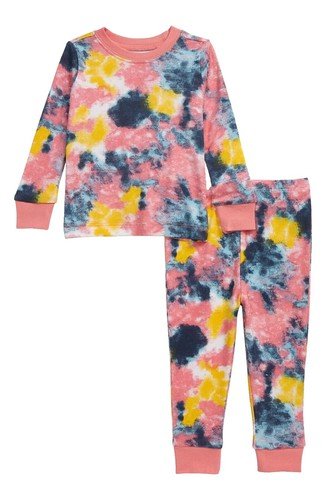
Pajamas—borrowed from the Persian and Urdu word pāy-jāma meaning ‘leg garment’—originally described loose trousers worn in South Asia, later adopted in the West as a two-piece sleeping outfit. The term now typically refers to a coordinated top-and-bottom set, often with elastic waistbands, button-front or pullover tops, and seasonal fabric weights.
Sleepwear, by contrast, serves as the broader umbrella category covering anything a child wears to bed: two-piece pajamas, nightgowns, sleep sacks, footed one-pieces, and even seasonal robes. According to the U.S. Consumer Product Safety Commission’s sleepwear regulations, the term applies to any garment ‘primarily intended to be worn for sleeping or activities related to sleeping’ in sizes up to 14. That legal definition focuses on flammability standards rather than silhouette, which is why you’ll see both labels on compliant products.
In retail practice, ‘pajamas’ usually signals a specific silhouette—tops with matching bottoms—while ‘sleepwear’ on a product page might include gowns, rompers, or blanket alternatives that don’t fit the classic two-piece mold. The distinction matters less for safety or quality than for helping you filter by the style your child prefers at bedtime.
Fabric and Fit Differences You'll Notice
When brands label a garment ‘pajamas,’ the fabric choice often leans toward woven cotton poplin, jersey knits, or flannel for cooler months—materials that hold their shape through repeated washing and offer a tailored, structured fit. Elastic waistbands stay snug without riding up, and tops typically feature reinforced seams at the shoulders and side seams to withstand active sleepers.
Sleepwear labeled more broadly might include stretchier rib-knit cotton, modal blends, or even performance fabrics designed to wick moisture in warmer climates. One-piece sleepers and footie styles fall squarely into the sleepwear category because they prioritize ease of movement over the coordinated-set aesthetic. You’ll also see looser, flow-through cuts in sleepwear gowns and sleep sacks, which allow airflow and accommodate growth spurts without constant size updates.
The real-world takeaway: if your child runs warm at night or tends to kick off blankets, sleepwear in lighter-weight knits or roomier cuts often works better than traditional flannel pajama sets. If they prefer a snug, ‘tucked-in’ feeling or need pockets for small treasures, a classic pajama set delivers that structure.
Age-Specific Considerations and Safety Standards
Federal flammability regulations treat kids’ sleepwear differently depending on size and design. Garments in sizes 9 months through 14 must either meet strict flame-resistance standards or fit snugly enough to reduce fire risk—defined as passing specific dimensional tests at the chest, waist, seat, and inseam. Snug-fit pajamas, often marketed as such on hang tags, rely on tighter tolerances rather than chemical treatments to satisfy the rule.
For infants under nine months, the standard doesn’t apply because babies at that age aren’t mobile enough to encounter open flames independently. That’s why you’ll see roomier, softer sleepwear options for newborns and young infants without the ‘snug fit’ callout. Once a child outgrows size 6X and moves into size 7 and up, the snug-fit requirement kicks back in unless the garment is made from inherently flame-resistant fabric.
Whether you’re shopping pajamas or sleepwear, check the hang tag for compliance language—most reputable brands print ‘meets CPSC flammability standards’ or ‘snug fit, not flame resistant’ directly on the label. That transparency lets you match the garment to your household’s safety preferences, especially if your child tends to wander near space heaters or wood stoves during winter months.

Choosing Between Pajamas and Sleepwear for Your Child
Start with your child’s bedtime habits and temperature preferences. Kids who sleep hot or share a warm room often do better in lightweight sleepwear—rib-knit short sets, sleeveless gowns, or bamboo-blend rompers that breathe and wick moisture. On the other hand, children who run cold or kick off blankets benefit from the coverage and structure of long-sleeve, long-pant pajama sets in heavier cotton or brushed flannel.
Consider dressing routines too. Two-piece pajamas offer flexibility if your child uses the bathroom independently at night or prefers mixing tops and bottoms from different sets. One-piece sleepwear simplifies the process for younger kids still mastering buttons and snaps, and footed styles eliminate the need for separate socks on chilly nights.
Finally, think about durability and laundry cycles. Pajama sets with reinforced seams and quality elastic hold up better through daily washing, while some sleepwear styles—especially those with decorative trim or delicate knits—may require gentler care. Reading fabric-content labels and washing instructions before you buy saves frustration down the line, especially if you’re rotating through sleepwear every night during potty-training phases.
Finding the Right Fit for Your Family's Bedtime Routine
Whether you call them pajamas or sleepwear, the garments your child wears to bed should balance comfort, safety, and practicality for your household’s specific needs. Focus on fabric weight that matches your climate, a fit that allows free movement without excess bulk, and compliance with flammability standards that give you peace of mind.
At Tucker and Tate, we design both classic pajama sets and versatile sleepwear options to cover the full range of preferences—from snug two-piece sets for structured sleepers to roomy gowns and one-pieces for kids who prioritize ease. Understanding what each label means helps you shop with intention and build a sleepwear rotation that actually gets worn night after night.
Common Questions About Kids' Pajamas and Sleepwear
Both terms describe garments worn to bed, but pajamas traditionally refer to coordinated two-piece sets with structured fits, while sleepwear covers the full range—gowns, rompers, sleep sacks, and pajama sets alike. The distinction helps you filter by style preference rather than indicating a difference in safety or quality standards.
Yes. Any garment labeled for sleep in sizes 9 months through 14 must meet CPSC flammability standards, whether it’s marketed as pajamas or sleepwear. That means it’s either flame-resistant or designed to fit snugly according to specific measurements. Always check the hang tag for compliance language before purchasing.
Snug-fit pajama sets or one-piece footed sleepers work well for active sleepers because they stay in place without bunching or riding up. Avoid overly loose sleepwear styles that can tangle around legs or shift during restless nights, especially if your toddler climbs out of the crib independently.
Absolutely. As long as each piece meets size and safety requirements on its own, mixing and matching lets your child express preferences and extends the life of separates when one piece wears out faster than the other. Just confirm that both items are labeled compliant if they fall under regulated size ranges.
Summer sleepwear typically uses lighter-weight cotton knits, bamboo blends, or moisture-wicking fabrics in shorter inseams and sleeveless or short-sleeve cuts. Winter pajamas lean toward brushed flannel, fleece-lined knits, or heavier rib cotton in long sleeves and full-length pants. Layering a sleep sack over lighter pajamas gives you seasonal flexibility without buying entirely new wardrobes.
Steer clear of heavily synthetic materials like polyester fleece or nylon blends unless they’re explicitly labeled flame-resistant, as these can melt rather than char in a fire. Scratchy seams, rough tags, and non-breathable coatings also disrupt sleep for sensitive skin. Stick with natural-fiber cottons or certified-safe blends that pass flammability tests and wash soft.