
Tucker and Tate Leggings vs Pants: Which Bottom Fits Your Active Kid?
When you’re stocking your child’s drawer, the choice between leggings and pants can feel surprisingly nuanced. Both have a place in an active kid’s wardrobe, but they shine in different scenarios.
We design both silhouettes at Tucker and Tate because we know one style doesn’t fit every morning, every activity, or every weather forecast. Understanding the differences—stretch, structure, durability, and when each performs best—helps you build a rotation that actually gets worn. In this guide, we’ll walk through fabric, fit, and everyday use so you can decide which bottom makes sense for your family.
Fabric and Stretch: Why Material Drives Movement
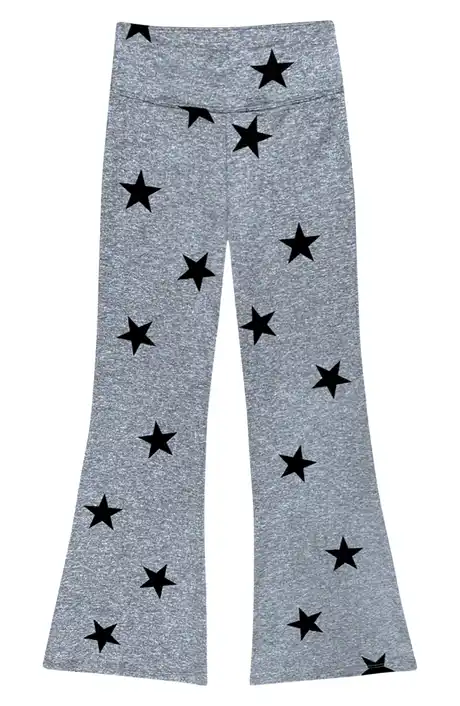
Leggings are built from high-stretch knits—usually cotton-spandex or a poly blend—that move with the body rather than restricting it. That elasticity is what makes them ideal for tumbling, climbing, and any activity where a full range of motion matters.
Pants, by contrast, use woven fabrics like twill, denim, or canvas. These materials offer more structure and hold their shape through the day, which is why they look neater for school or dressier outings. The trade-off is less give: a woven pant won’t bend as freely as a knit legging.
For parents weighing durability, woven bottoms tend to resist abrasion better on playgrounds and rough surfaces, while knit leggings can pill or snag if your child spends a lot of time on pavement or concrete. If you’re layering for winter, leggings slip easily under snow pants or heavier outerwear—our everyday leggings are designed with that smooth, non-bulky fit in mind.
Fit and Waistband: Comfort Versus Structure
Pull-On Elastic Waistbands
Most kids’ leggings feature a wide, pull-on elastic band that sits flat against the belly without digging in. That design is forgiving through growth spurts and makes independent dressing easier for toddlers and preschoolers.
Pants often include an adjustable waist—either an internal elastic channel or a button-and-zip fly—which gives you more control over fit as your child grows. The extra hardware adds a step at dressing time, but it also means the garment can be cinched tighter or let out as needed.
Length and Leg Taper
Leggings hug the leg from hip to ankle, which prevents fabric from bunching inside boots or indoor footwear. Pants come in straight, tapered, and jogger cuts, each offering a different silhouette—joggers cuff at the ankle for a sporty look, while straight-leg styles work under taller boots or for a more polished appearance.
Occasion and Versatility: When to Reach for Each Style
Leggings excel in high-movement settings: dance class, gymnastics, after-school play, and lazy weekends at home. Their stretch and soft hand feel make them a natural choice when comfort is the top priority.
Pants suit structured environments—school dress codes, family gatherings, or any outing where you want your child to look a bit more put-together. A pair of chinos or joggers bridges the gap, offering some of the ease of athletic wear with the appearance of traditional trousers.
Many families keep both in rotation, using leggings as a base layer under dresses or tunics and switching to pants when the occasion calls for it. According to guidance from the Federal Trade Commission, any children’s garment should allow free movement and avoid drawstrings or loose elastic that could pose a safety risk—both leggings and well-designed pants meet that standard when properly constructed.
Layering and Seasonal Adaptability
In colder months, leggings serve double duty as thermal base layers. Their slim profile slides under jeans, snow pants, or overalls without adding bulk, and midweight cotton-spandex blends provide an extra layer of warmth.
Pants, especially fleece-lined or brushed-interior styles, offer built-in insulation without needing a separate layer underneath. That makes them faster to dress in the morning, though they can feel too warm indoors once you arrive at school or daycare.
For spring and fall, lightweight woven pants breathe better than thicker leggings, while jersey leggings remain cool enough for mild days. If your child tends to run hot, a breathable pant fabric can prevent overheating during recess or outdoor play. Pairing either bottom with slip-on footwear simplifies transitions between indoor and outdoor spaces.
Care and Longevity: What Holds Up Best
Leggings made from cotton-spandex blends can lose elasticity over time, especially if tumble-dried on high heat. Laying them flat or hanging to dry extends their lifespan and keeps the waistband snug.
Woven pants generally tolerate machine washing and drying with fewer issues, though heavyweight denim may fade or shrink slightly in the first few washes. Reinforced knees and flat-felled seams add durability to both styles, reducing the need for mid-season replacements.
If you’re shopping for a brand that balances everyday comfort with long-term wear, exploring independent labels like Lulu Mac can introduce you to similar construction philosophies. Both our line and theirs prioritize fabrics that survive the chaos of active childhood without sacrificing style.
Building a Balanced Bottoms Drawer
There’s no single winner in the kids leggings vs pants debate—each style serves a purpose, and most wardrobes benefit from having both on hand. Leggings deliver unmatched comfort and flexibility for active days, while pants bring structure and polish when the occasion calls for it.
By understanding fabric, fit, and the scenarios where each excels, you can stock your child’s drawer with pieces that actually get worn instead of shoved to the back. At Tucker and Tate, we design both categories with real childhood in mind: durable enough for the playground, comfortable enough for all-day wear, and easy enough for kids to manage on their own.
Common Questions About Choosing Between Leggings and Pants for Kids
It depends on the specific policy. Many schools allow leggings if worn under a tunic or dress that covers the hips, while others require traditional pants with a structured waistband.
Check your handbook or ask the front office if you’re unsure. Joggers and chinos often satisfy stricter codes while still offering the ease kids prefer.
Yes, when layered correctly. A midweight or fleece-lined legging works as a base layer under snow pants or a heavier outer shell.
For milder winter days, a thicker cotton-blend legging paired with tall boots and a long sweater provides enough warmth for most climates. If temperatures drop below freezing, add a windproof or insulated outer layer.
Leggings rely on stretch to accommodate a range of body shapes, so they tend to run true to size or slightly small—check the inseam measurement to ensure the ankle hits where you want it.
Pants with adjustable waistbands offer more room to grow, but you may need to hem the length if you’re buying a size up. Always compare your child’s current measurements to the brand’s size chart rather than relying on age alone.
Pull-on leggings with a wide elastic waist are the easiest for toddlers learning to dress themselves. No buttons, zippers, or snaps means fewer frustrations in the bathroom.
Once your child masters fine motor skills, pants with a simple elastic waist or a large button fly become manageable. Save true denim with stiff hardware for later, when coordination improves.
A practical starting point is five to seven leggings for everyday play and three to four pairs of pants for school or outings. This rotation lets you wash mid-week without running out of clean options.
Adjust based on your laundry schedule and how often your child changes clothes. Active kids who come home muddy or sweaty may need a deeper bench, while less-active routines can get by with fewer pieces.
Avoid leggings or pants with long drawstrings at the waist or ankles, as these can catch on playground equipment. Elastic waistbands sewn into a casing are safer.
Make sure any decorative elements—buttons, snaps, appliqués—are securely attached and too large to pose a choking hazard. Both leggings and pants should allow your child to run, jump, and climb without restriction.