
Tucker and Tate Boots vs Rain Boots: Which Pair for Fall?
Fall weather throws everything at you — sunny mornings that turn into afternoon drizzle, muddy playgrounds one day and dry leaf piles the next. We designed our footwear lineup to handle that unpredictability, but choosing between our boots and rain boots can feel tricky when both seem like solid picks for kids boots fall weather.
The short answer: if your child spends most outdoor time in wet conditions — puddle stomping, rainy recess, soggy soccer fields — rain boots win. If fall in your area leans drier with occasional showers and you need a pair that works indoors and out, our boots handle that better. This guide walks through tread, insulation, ankle support, and real-world scenarios so you can match the right pair to your child’s actual routine.
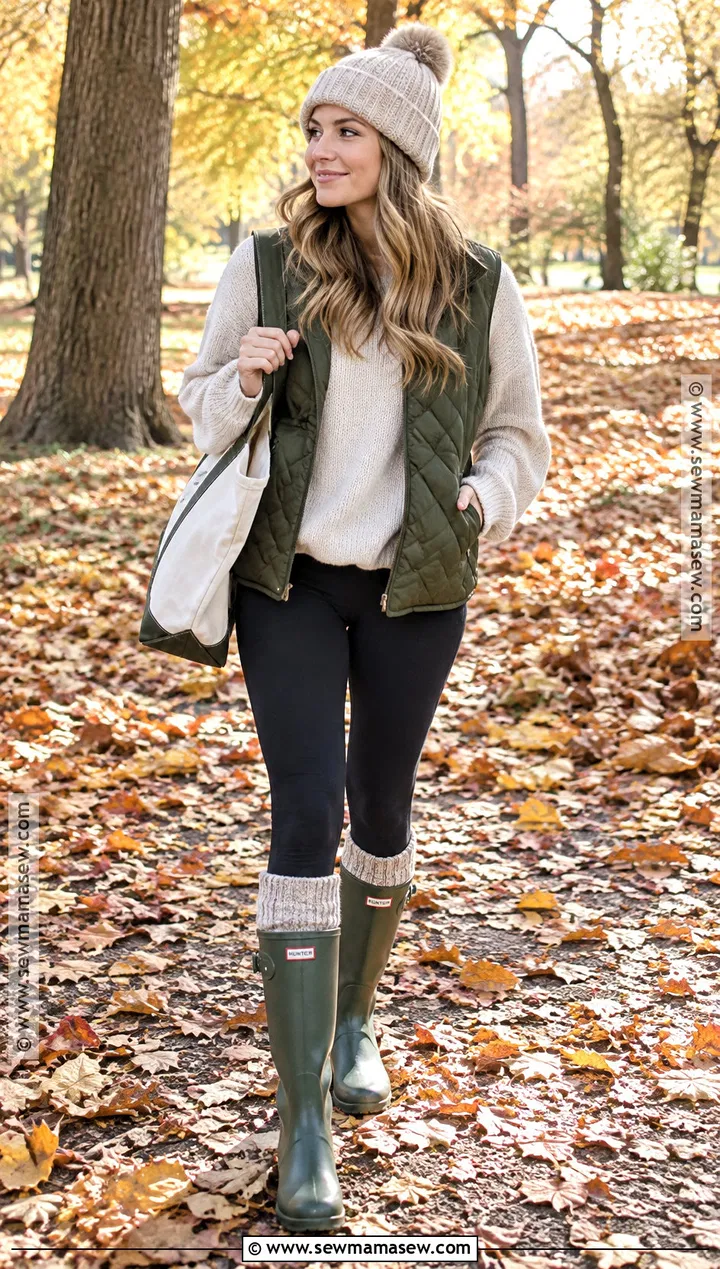
Waterproofing: Full Seal vs Weather Resistance
Our rain boots use a molded rubber construction with zero seams below the ankle, so water simply cannot get in — even if your child stands in a puddle that reaches the boot’s top edge. That full seal makes them the go-to choice for days forecast to stay wet.
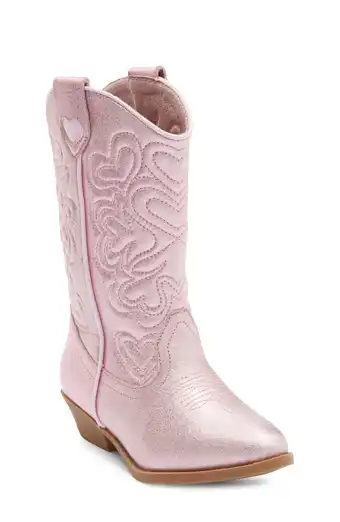
Our boots, by contrast, use weather-resistant leather or treated canvas uppers with sealed seams. They shed light rain and handle damp grass without soaking through, but prolonged exposure to standing water will eventually find its way past the stitching. For kids boots fall weather that swings between dry and drizzly, that level of protection covers most days without the bulk of full rubber.
Traction on Wet Leaves and Mud
Rain Boot Tread
The outsole on our rain boots features deep, widely spaced lugs designed to release mud and wet debris with each step. That tread pattern works beautifully on slick playground surfaces and gravel paths after a storm.
Boot Tread
Our boots carry a hybrid tread — shallower lugs arranged in a tighter pattern — that grips pavement, indoor tile, and packed dirt equally well. You sacrifice some deep-mud performance compared to rain boots, but gain a sole that doesn’t track chunks of playground bark into the car or classroom.
Ankle Support and All-Day Comfort
Rain boots sit lower on the calf and flex at the ankle with each step, which makes them easy to pull on but offers minimal lateral support. That’s fine for short outdoor bursts, but kids who wear them all day sometimes complain of tired legs.
Our boots use a structured collar and a slight heel counter that cradle the ankle without restricting movement. That design works better for kids who walk to school, spend recess running on uneven ground, or simply prefer footwear that feels more like a sneaker than a galosh. The added support also reduces the chance of a rolled ankle on gravel or playground mulch.
Temperature Range and Layering
Rubber rain boots trap heat — great for early-fall mornings in the 40s, less comfortable once indoor heating kicks in or temps climb above 60. Most kids end up pulling them off the moment they step inside.
Our boots breathe better thanks to fabric or leather uppers, so they work indoors and out without causing sweaty feet. Pair them with a thicker sock when mornings are cold, switch to a thinner sock as the day warms up. That versatility makes them the better pick if your child needs one pair that transitions from the walk to school through indoor activities and back outside for afternoon play.
Sizing and Growth Room
Both styles run true to size in our lineup, but rain boots tolerate a bit more wiggle room since the shaft is loose enough to accommodate thick socks without pinching. You can sometimes size up a half size and get an extra season of wear.
Boots fit closer to the foot, so sizing up too much leads to blisters and an awkward gait. We recommend measuring your child’s foot in the afternoon — feet swell slightly during the day — and ordering the size that leaves about a thumb’s width of space at the toe. That gives enough growth room without compromising the ankle support that makes boots worthwhile in the first place.
Matching Footwear to Your Fall Routine
The right choice comes down to how your child actually spends fall days. Rain boots handle heavy weather and puddle play better than any other option, but they don’t breathe well enough for all-day wear or mixed indoor-outdoor schedules. Our boots cover the wider range of fall conditions — crisp mornings, light drizzle, leaf-pile jumping — and transition seamlessly from sidewalk to classroom without a shoe swap.
If you live somewhere that stays wet from September through November, rain boots make sense. If fall in your area delivers a little bit of everything, boots offer the versatility to handle kids boots fall weather without needing a second pair in the backpack. Either way, both styles in our lineup are built to last more than one season, so whichever you choose will see plenty of use before your child outgrows them.
Common Questions About Fall Footwear for Kids
Rain boots work fine on dry pavement for short trips, but the lack of breathability and ankle support makes them uncomfortable for all-day wear. If the forecast stays dry, our boots handle fall weather better without causing sweaty feet or fatigue.
Our boots shed light to moderate rain without issue, but sustained downpours or deep puddles will eventually seep through the seams. For days forecast to stay wet, rain boots are the safer pick.
Boots win here — they transition smoothly from outdoor recess to indoor classrooms without needing a swap. Rain boots trap too much heat indoors and often require a second pair of sneakers in the backpack.
Not necessarily. Rubber insulates poorly on its own, so rain boots feel warm only when paired with thick socks. Our boots layer better with insulated socks and retain body heat more effectively thanks to the fabric or leather upper.
Check the fit first — kids’ feet grow fast, and a boot that felt roomy last October might pinch by this September. If toes are jammed against the front or the heel counter digs into the ankle, it’s time to size up.